
General Dentistry in Tampa, FL
General dentistry is the foundation of a healthy smile. Regular examinations, professional cleanings, preventive care, and timely treatment help protect your teeth and gums while identifying concerns before they become more difficult to manage.
At Flex Dental, Dr. Benjamin J. Gubernick provides personalized dental care for adults and families in Tampa. Your treatment plan is based on your current oral health, medical history, symptoms, disease risk, comfort, and long-term goals.
Your first line of care for teeth, gums, and everyday dental needs.
General dentistry includes preventive, diagnostic, restorative, and maintenance services used to protect oral health and address common dental conditions. It also provides the ongoing dental home that coordinates treatment when more specialized care is needed.
Your visits may include a dental examination, gum evaluation, professional cleaning, individualized X-rays, oral-cancer evaluation where indicated, preventive recommendations, or treatment for an existing problem.
Preventive care
Cleanings, fluoride guidance, home-care coaching, and risk-based monitoring help reduce preventable disease.
Diagnostic care
Examinations and appropriate imaging help identify disease, damage, bite concerns, and changes that may not be visible.
Restorative care
Fillings, crowns, root-canal treatment, and other procedures can restore damaged teeth and comfortable function.
Continuing care
Periodic visits monitor existing dental work, gums, bite, disease risk, home care, and changes in your health.
Preventive and restorative care coordinated in one dental home.
Dental Exams
A dental examination may include evaluation of the teeth, gums, bite, jaw, existing restorations, symptoms, and soft tissues. Dr. Gubernick also reviews changes in your medical history because general health can influence oral health.
See what to expect →Professional Cleanings
Professional cleaning removes plaque and hardened tartar from areas that home brushing and interdental cleaning may not fully reach. The type and frequency of cleaning depend on your gum health and individual needs.
Learn about visit frequency →Dental Fillings
Fillings repair localized areas of tooth structure affected by cavities, smaller fractures, wear, or failed restorations. Tooth-colored and other materials may be considered based on the location and extent of damage.
Explore dental fillings →Periodontal Care
Gum evaluation and periodontal treatment address inflammation, tartar, periodontal pockets, and supporting bone concerns. Treatment may include scaling and root planing or another individualized approach.
Explore periodontal services →Root Canal Treatment
Root-canal treatment may be recommended when the dental pulp becomes inflamed or infected. Treatment removes the affected tissue from inside the tooth so the natural tooth can be cleaned, sealed, and appropriately restored.
Explore root-canal treatment →Dental Crowns
A crown covers the visible portion of a prepared tooth and may be recommended when extensive decay, fracture, a large filling, or another condition leaves insufficient support for a routine filling.
Explore dental crowns →Tooth Extractions
Extraction may be considered when a tooth cannot be predictably restored, creates an infection risk, or needs removal for another clinically appropriate reason. Tooth-preserving options are evaluated whenever possible.
Explore tooth extractions →Sedation Options
Selected patients with dental anxiety or difficulty tolerating treatment may benefit from an appropriate sedation option. Medical history, medications, procedure type, and transportation requirements must be reviewed first.
Explore oral sedation →Your appointment is built around your history and current needs.
The exact services completed during a visit depend on whether you are a new or established patient, your symptoms, previous records, dental history, disease risk, and the reason for the appointment.
Not every patient needs every test or procedure at every visit. Dr. Gubernick will explain what is being recommended and why.
Review your health and concerns
Tell the team about symptoms, medications, allergies, surgeries, pregnancy, health changes, dental anxiety, and what you would like to address.
Examine the teeth and existing dentistry
The dentist evaluates teeth for decay, fractures, wear, damaged restorations, sensitivity, infection, and other concerns.
Evaluate gum and bone health
Gum tissue, bleeding, recession, pocket depth, tartar, tooth mobility, and supporting bone may be evaluated based on your needs.
Take necessary dental images
X-rays are selected according to your age, oral health, symptoms, disease risk, previous images, and the information needed for diagnosis.
Complete appropriate preventive care
Depending on your gum health, the visit may include a routine cleaning, periodontal care, fluoride, home-care instruction, or another preventive service.
Review findings and next steps
Dr. Gubernick explains the findings, treatment priorities, alternatives, timing, maintenance, and recommended follow-up interval.
There is no single dental schedule that fits every patient.
Some patients may be appropriately monitored once or twice per year, while others need more frequent visits because of gum disease, recurring cavities, dry mouth, medical conditions, tobacco use, extensive dental work, or other risk factors.
Your recommended examination, cleaning, periodontal-maintenance, and X-ray intervals should be based on your individual condition and may change over time.
Cavity risk
Previous decay, frequent sugar exposure, dry mouth, exposed roots, inadequate fluoride, and home-care habits may affect recall recommendations.
Gum health
Gingivitis, periodontal disease, bone loss, deeper pockets, bleeding, and previous periodontal treatment may require more frequent maintenance.
Medical and medication factors
Diabetes, immune conditions, pregnancy, dry-mouth-causing medications, and other health factors can influence oral disease risk.
Existing dental work
Implants, crowns, bridges, dentures, large restorations, root canal-treated teeth, and orthodontic appliances may need specific monitoring.
Many oral-health problems begin before obvious pain develops.
Early tooth decay and gum disease may produce few noticeable symptoms. Regular evaluations allow the dental team to monitor areas that are difficult to see at home and compare changes over time.
Finding a concern earlier may allow for preventive care, closer monitoring, or a more conservative treatment than would be possible after extensive damage develops.
Most of your preventive care happens between dental visits.
Professional dental care and daily home care work together. Dr. Gubernick or your hygienist may modify these general recommendations according to your disease risk, restorations, gum health, dexterity, appliances, and medical needs.
Brush twice daily
Brush for approximately two minutes with a soft-bristled toothbrush and fluoride toothpaste unless another product has been recommended for you.
Clean between teeth
Use floss, an interdental brush, water flosser, threader, or another dentist-recommended device to clean areas toothbrush bristles cannot reach.
Limit frequent sugar exposure
Frequent sugary or starchy snacks and drinks create repeated acid exposure. Choose water and consume sweet items less frequently.
Use fluoride appropriately
Fluoride toothpaste and fluoridated water help strengthen enamel. Higher-risk patients may benefit from additional professionally recommended fluoride.
Avoid tobacco and nicotine
Smoking and other tobacco or nicotine use can affect gums, healing, oral tissues, and the long-term outcome of dental treatment.
Report changes early
Contact the office when you notice pain, swelling, bleeding, sensitivity, damaged dental work, or another change rather than waiting for the next planned visit.
Comprehensive dentistry with an approachable, personal experience.
General dentistry works best when patients feel comfortable discussing concerns and understand the recommendations being made. Dr. Gubernick takes time to explain findings, treatment options, priorities, and maintenance needs.
His restorative and surgical training allows Flex Dental to coordinate preventive care with fillings, crowns, root-canal treatment, periodontal services, extractions, implant treatment, cosmetic dentistry, and other services when appropriate.
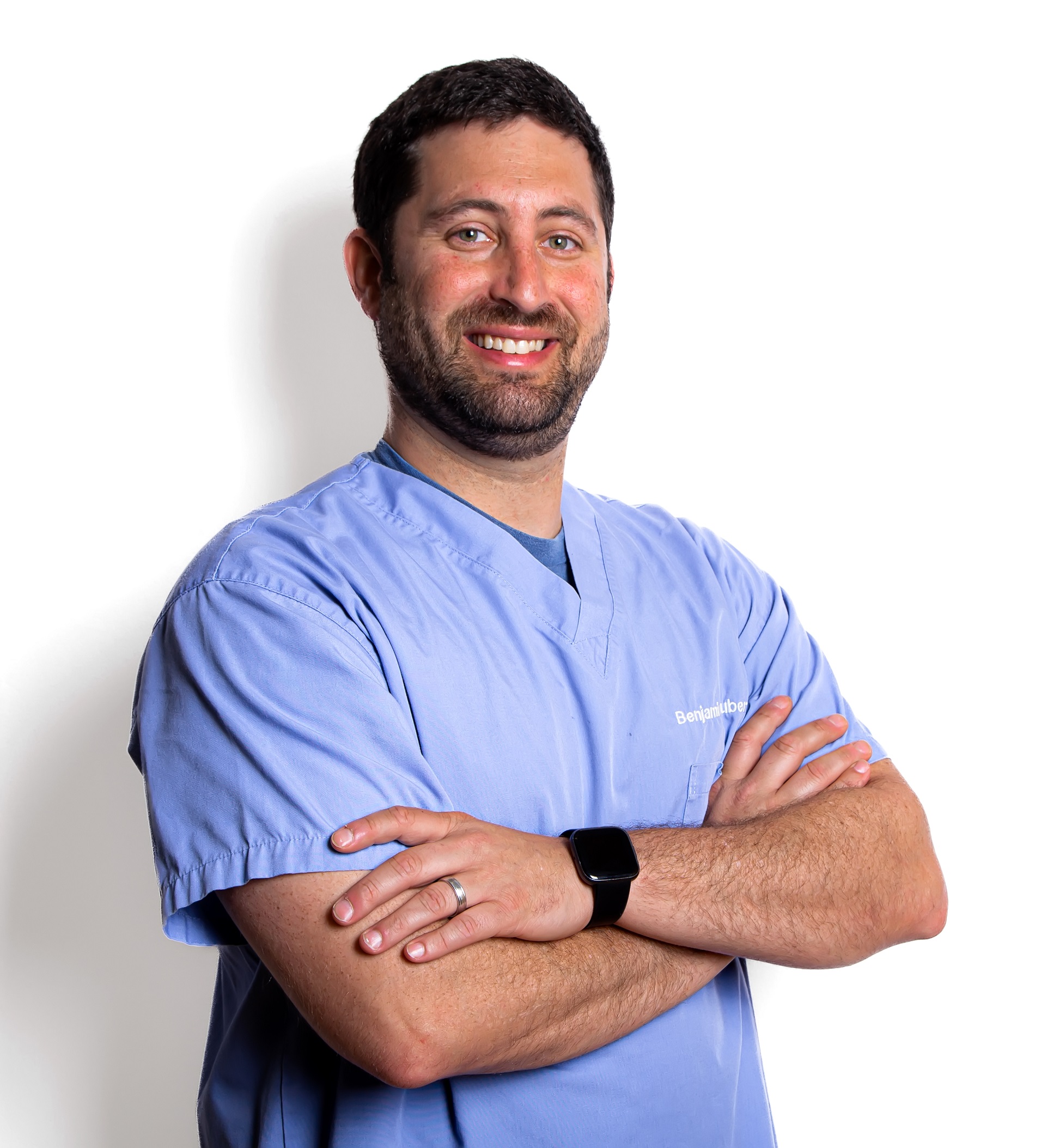
Benjamin J. Gubernick, DDS
Dr. Gubernick completed a General Practice Residency at the Malcolm Randall VA Medical Center, receiving advanced postdoctoral training in restorative, surgical, and comprehensive dental care.
General dentistry in Tampa on South Dale Mabry.
Flex Dental welcomes new patients seeking preventive, restorative, cosmetic, periodontal, implant, and family dental care. Schedule online or call the team for help selecting the right appointment.
310 South Dale Mabry Highway, Suite 120
Tampa, FL 33609
(813) 999-1092
English, Spanish, and Portuguese
Questions about routine and preventive dental care?
These answers provide general education. Your recommended care should be based on an individual dental examination and appropriate diagnostic information.
What is general dentistry?
General dentistry includes preventive, diagnostic, restorative, and maintenance services used to protect oral health and treat common conditions affecting the teeth and gums.
What services are included in general dentistry?
Services may include dental examinations, professional cleanings, dental X-rays when indicated, fillings, crowns, periodontal care, root-canal treatment, extractions, preventive counseling, and coordination of additional treatment.
How often should I visit the dentist?
There is no one-size-fits-all interval. Some patients may be seen once or twice per year, while patients with gum disease, recurring cavities, dry mouth, medical concerns, extensive dental work, or other risks may need more frequent visits. Dr. Gubernick will recommend an interval based on your needs.
Do I need dental X-rays at every visit?
No. Dental X-rays should be selected according to your age, oral health, symptoms, disease risk, previous images, and the information needed for diagnosis. The interval is not the same for every patient.
What happens during a dental exam?
The dentist may review your health history and symptoms, examine the teeth and existing restorations, evaluate the gums and bite, inspect oral tissues, review appropriate images, and discuss findings and recommendations.
What is the difference between a routine cleaning and periodontal treatment?
A routine cleaning is generally intended for patients without active periodontitis and removes plaque and tartar from accessible tooth surfaces. Periodontal treatment addresses gum disease, deeper deposits, inflamed tissues, periodontal pockets, or bone loss and may require a different procedure and maintenance schedule.
Can I have a cavity without feeling pain?
Yes. Early tooth decay may not cause symptoms. As decay progresses, sensitivity, toothache, discoloration, a visible hole, food trapping, or pain while chewing may develop.
Why do my gums bleed when I brush or floss?
Bleeding can be associated with plaque-related gingivitis, periodontal disease, irritation, technique, medications, or other conditions. Repeated or unexplained bleeding should be evaluated rather than ignored.
When might I need a filling instead of a crown?
A filling may be appropriate when the damage is localized and enough healthy tooth structure remains to support a direct restoration. A crown may be considered when a larger portion of the tooth is weakened, fractured, or missing.
Does Flex Dental offer care for dental anxiety?
Flex Dental offers comfort-focused care and sedation options for selected patients. Medical history, medications, the planned procedure, and transportation requirements must be reviewed before sedation is recommended.
What should I do if I have tooth pain or facial swelling?
Contact Flex Dental promptly. Pain, swelling, fever, drainage, difficulty swallowing, or facial swelling may require urgent professional evaluation. Call (813) 999-1092 for guidance.
Does Flex Dental accept new general dentistry patients?
Yes. Flex Dental welcomes new patients for general, preventive, restorative, cosmetic, periodontal, implant, and family dental care in Tampa.
How can I help prevent cavities and gum disease at home?
Brush twice daily with fluoride toothpaste, clean between your teeth every day, limit frequent sugary snacks and drinks, avoid tobacco and nicotine, and attend dental visits at the interval recommended for your individual risk.
Patient education references
These independent resources provide general educational information and do not replace an examination, diagnosis, or personalized treatment recommendation from a licensed dentist.
- American Dental Association: Going to the Dentist ↗
- American Dental Association: Oral Health Recommendations ↗
- American Dental Association: Dental X-Rays ↗
- National Institute of Dental and Craniofacial Research: Oral Hygiene ↗
- National Institute of Dental and Craniofacial Research: Tooth Decay ↗
- National Institute of Dental and Craniofacial Research: Gum Disease ↗

Build a healthier smile with personalized general dental care.
Meet with Dr. Benjamin J. Gubernick for a comprehensive dental examination, preventive care, or treatment recommendations based on your current oral health and long-term goals.