
Periodontal Services in Tampa, FL
Your gums and the bone surrounding your teeth form the foundation of your smile. Periodontal care focuses on identifying inflammation, controlling infection, protecting supporting bone, and helping you maintain your natural teeth.
At Flex Dental, Dr. Benjamin J. Gubernick and our hygiene team evaluate your gums, measure periodontal pockets, review risk factors, assess dental images when needed, and develop a treatment or maintenance plan based on your individual condition.
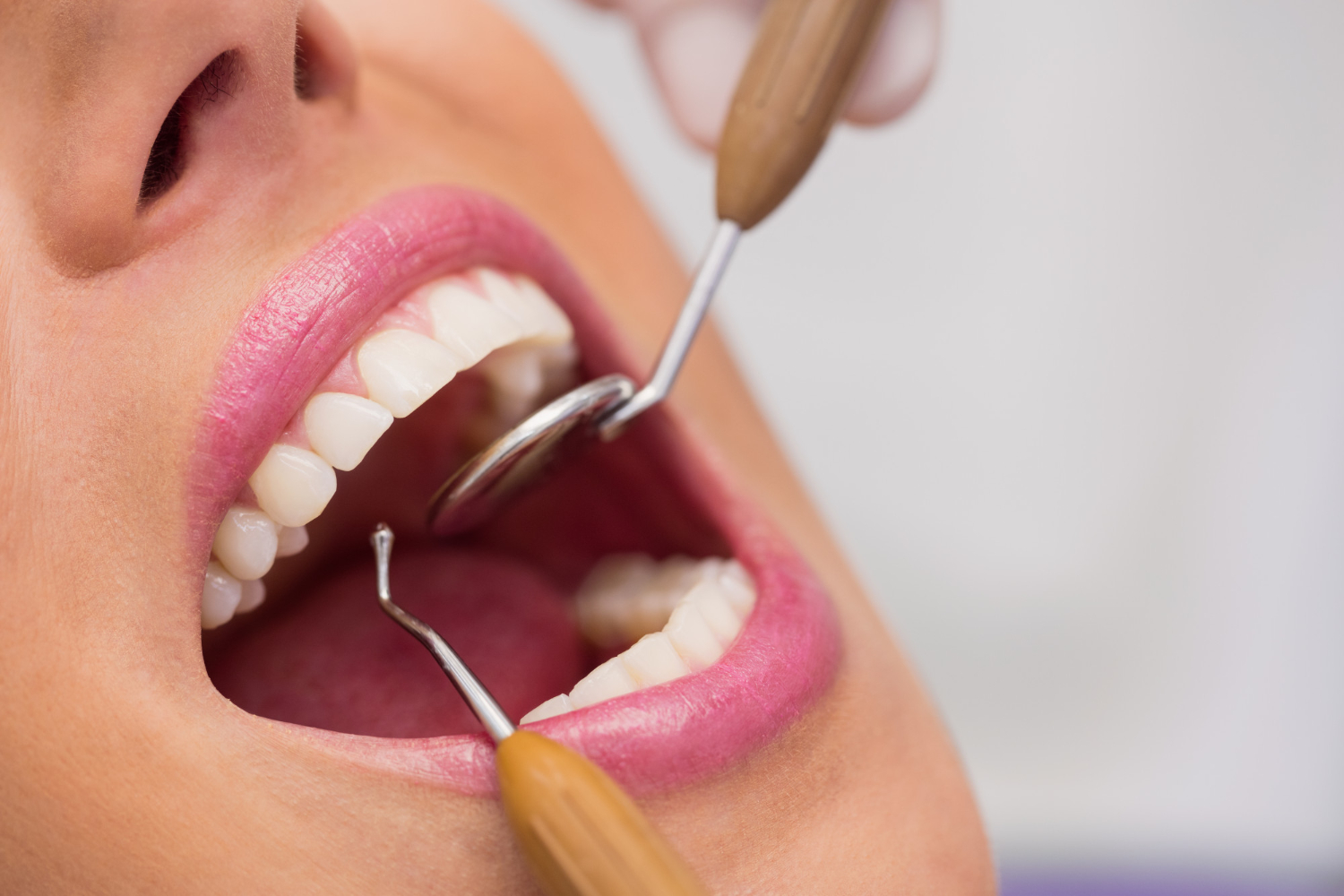
An infection affecting the tissues that support your teeth.
Periodontal disease commonly begins when bacterial plaque accumulates along the gumline. If plaque is not removed, it can harden into tartar, which must be removed professionally.
Early inflammation is known as gingivitis. When disease extends below the gumline and damages the supporting attachment or bone, it is classified as periodontitis.
Gums
Healthy gums help create a protective seal around each tooth and support a balanced, natural-looking smile.
Periodontal ligament
Specialized fibers help connect each tooth root to the surrounding jawbone.
Supporting bone
Bone surrounding the roots provides the structural support that helps keep teeth stable.
Daily plaque control
Brushing, interdental cleaning, professional care, and risk management help protect the periodontal foundation.
Gum inflammation does not always mean the same diagnosis.
Gingivitis and periodontitis are related but clinically different. An examination is needed to determine whether inflammation is limited to the gums or has affected the deeper supporting tissues.
Gingivitis
Gingivitis is inflammation limited to the gum tissues. It may develop when bacterial plaque accumulates around the teeth and gumline.
- Red or swollen gums
- Bleeding during brushing or flossing
- Gum tenderness or irritation
- Persistent plaque or tartar accumulation
- No periodontal bone loss from gingivitis alone
Periodontitis
Periodontitis occurs when inflammation and infection affect the structures supporting the teeth, potentially causing attachment loss, periodontal pockets, and bone loss.
- Deeper pockets around the teeth
- Gum recession or exposed root surfaces
- Bone loss visible on dental images
- Tooth movement or increasing spaces
- Loose teeth in more advanced disease
Do not wait for severe pain before having your gums evaluated.
Bleeding gums
Repeated bleeding during brushing, flossing, or professional cleaning can be a sign of gum inflammation.
Redness or swelling
Gums may appear darker, puffy, enlarged, irritated, or tender when inflammation is present.
Gum recession
Teeth may appear longer as the gumline moves away from the natural crown and exposes part of the root.
Persistent bad breath
Ongoing odor or an unpleasant taste may be associated with bacterial accumulation or periodontal infection.
Tooth sensitivity
Receding gums and exposed root surfaces may increase sensitivity to temperature, brushing, touch, or sweets.
Loose or shifting teeth
Changes in tooth stability, spacing, or bite can occur when periodontal support has been reduced.
Pain when chewing
Discomfort during biting or chewing may occur in more advanced disease or may indicate another dental problem.
Drainage or swelling
Pus, a gum abscess, facial swelling, fever, or increasing pain requires prompt professional evaluation.
Deep spaces around teeth
Periodontal pockets can trap bacteria below the gumline where routine brushing cannot fully reach.
Plaque is central, but personal risk is more complex.
Periodontal disease develops through the interaction of bacterial plaque, inflammation, individual susceptibility, health conditions, habits, and environmental factors.
Sharing your complete health history helps Flex Dental assess risk and create a more appropriate treatment and maintenance plan.
Tobacco use
Smoking and other tobacco exposure can increase periodontal risk and may reduce the success of treatment.
Diabetes
Diabetes and blood-sugar control may influence inflammation, healing, infection risk, and periodontal disease severity.
Plaque and tartar
Inadequate removal of bacterial plaque allows inflammation to continue and tartar to accumulate.
Genetics and family history
Some patients may be more susceptible to periodontal breakdown despite similar hygiene habits.
Hormonal changes
Pregnancy and other hormonal changes may affect gum response and increase inflammation in some patients.
Certain medications
Some medications can affect saliva, gum tissue, bleeding, inflammation, or the way the mouth responds to plaque.
Dry mouth
Reduced saliva may affect bacterial balance, comfort, plaque control, and overall oral health.
Irregular dental care
Long gaps between examinations may allow inflammation, tartar, pocketing, and bone loss to progress unnoticed.
Diagnosis begins with measurements—not appearance alone.
A periodontal evaluation may include several clinical findings. The exact records needed depend on your symptoms, dental history, previous treatment, and current oral condition.
Review health and dental history
The team reviews medications, tobacco use, diabetes, previous periodontal treatment, bleeding, sensitivity, family history, and current symptoms.
Examine the gums
The clinician evaluates color, swelling, bleeding, recession, plaque, tartar, drainage, tissue shape, and other visible findings.
Measure periodontal pockets
A periodontal probe is used to measure the spaces around the teeth and document bleeding, recession, and attachment levels.
Evaluate tooth stability and bite
Tooth movement, mobility, spacing, bite forces, grinding, damaged restorations, and plaque-retentive areas may be assessed.
Review appropriate dental images
X-rays may be used to evaluate supporting bone, tartar, infection, tooth roots, restorations, and other dental conditions.
Explain the diagnosis and plan
Dr. Gubernick reviews the findings and discusses appropriate preventive care, nonsurgical treatment, maintenance, or specialist referral.
Care matched to the health of your gums.
A routine preventive cleaning and periodontal treatment are not interchangeable. The correct service depends on pocket depths, inflammation, tartar, attachment loss, bone support, and previous periodontal history.
Some advanced procedures are performed by a periodontal specialist. When needed, Flex Dental can explain why referral or coordinated care may be appropriate.
Periodontal Screening and Charting
Gum measurements and clinical findings help identify inflammation, recession, bleeding, pocketing, attachment loss, and areas requiring closer monitoring.
Diagnostic servicePreventive Dental Cleaning
A routine cleaning removes plaque, tartar, and surface stain when the supporting tissues are generally healthy and periodontal therapy is not indicated.
Healthy or gingivitis-level careScaling and Root Planing
This nonsurgical deep-cleaning procedure removes plaque and tartar from above and below the gumline and cleans affected root surfaces.
Periodontitis treatmentPeriodontal Reevaluation
After initial therapy, the gums may be remeasured to evaluate healing, remaining inflammation, pocket depths, home care, and whether additional treatment is needed.
Healing assessmentPeriodontal Maintenance
Ongoing maintenance visits help disrupt bacterial buildup, clean periodontal areas, monitor pocket depths, and protect the results of active therapy.
Continuing disease controlGum Recession Evaluation
Recession may be evaluated for sensitivity, root exposure, abrasion, periodontal disease, tooth position, brushing habits, or other contributing factors.
Diagnosis and planningAdjunctive Periodontal Care
Depending on the diagnosis, Dr. Gubernick may discuss localized medication, antimicrobial rinses, sensitivity management, or other adjuncts alongside mechanical treatment.
Adjuncts do not replace effective plaque and tartar removal.
Case-dependent supportPeriodontist Referral and Coordination
Advanced bone loss, persistent deep pockets, complex recession, surgical needs, implant-related concerns, or difficult disease patterns may benefit from specialist care.
Advanced periodontal careA deep cleaning below the gumline.
Scaling and root planing may be recommended when periodontal pockets contain plaque and tartar that cannot be removed with routine brushing or a standard preventive cleaning.
Treatment may be completed in sections or over more than one appointment. Local anesthesia may be used for comfort. The exact approach depends on the areas involved and the severity of the disease.
Active treatment is followed by continuing disease control.
Periodontal maintenance is different from a routine preventive cleaning. It is intended for patients with a history of periodontitis after active periodontal therapy.
The recommended frequency is personalized according to disease severity, pocket depths, bleeding, plaque control, smoking, diabetes, previous treatment, and ongoing risk.
Reassess the gums
The team monitors inflammation, bleeding, recession, pockets, tooth stability, and changes since the previous appointment.
Remove recurring deposits
Plaque and tartar are removed from accessible tooth and root surfaces, including periodontal areas requiring attention.
Reinforce home care
Brushing and interdental-cleaning techniques may be adjusted to improve plaque removal in difficult or high-risk areas.
Identify recurrence early
New bleeding, deeper pockets, bone changes, mobility, or persistent infection may indicate that additional treatment is needed.
Some periodontal conditions require advanced treatment.
A periodontist is a dental specialist focused on the diagnosis and treatment of gum disease, supporting bone, gum recession, and implant-related periodontal conditions.
Referral does not mean that routine care stops at Flex Dental. Your dentist, hygienist, and specialist may coordinate treatment and long-term maintenance.
Daily plaque control is essential to periodontal stability.
Professional care cannot replace consistent home care. The right products and techniques depend on your gum health, dexterity, restorations, implants, sensitivity, and periodontal anatomy.
Brush thoroughly
Brush twice daily with an appropriate toothbrush and fluoride toothpaste, paying careful attention to the gumline.
Clean between teeth
Use floss, interdental brushes, a water flosser, or another recommended method to remove plaque between teeth.
Avoid tobacco
Tobacco use increases periodontal risk and can interfere with healing and treatment response.
Keep maintenance visits
Attend appointments at the interval recommended for your diagnosis rather than waiting for symptoms to return.
Periodontal care in Tampa.
Visit Flex Dental for a personalized evaluation of bleeding gums, gum recession, periodontal pockets, tartar buildup, sensitivity, bad breath, or changes in tooth stability.
310 South Dale Mabry Highway, Suite 120
Tampa, FL 33609
(813) 999-1092
English, Spanish, and Portuguese
Questions about gum disease and deep cleaning?
These answers provide general education. A periodontal examination is required to determine your diagnosis and treatment.
What is periodontal disease?
Periodontal disease is an inflammatory infection affecting the gums and, in more advanced stages, the tissues and bone that support the teeth.
What is the difference between gingivitis and periodontitis?
Gingivitis is inflammation limited to the gums and can often be reversed. Periodontitis includes loss of the attachment or bone supporting the teeth and requires continuing professional management.
Why do my gums bleed when I brush or floss?
Bleeding may result from gum inflammation, plaque buildup, improper technique, trauma, medication effects, or another condition. Repeated bleeding should be professionally evaluated.
Can gum disease occur without pain?
Yes. Periodontal disease can progress with limited discomfort, which is why gum measurements and routine dental evaluations are important.
What is a periodontal pocket?
A periodontal pocket is the space between a tooth and the surrounding gum. Deeper measurements may indicate inflammation, attachment loss, or periodontal disease.
How is gum disease diagnosed?
Diagnosis may include reviewing your health history, examining the gums, measuring periodontal pockets, recording bleeding and recession, evaluating tooth stability, and reviewing dental X-rays for bone loss.
What is scaling and root planing?
Scaling and root planing is a nonsurgical deep-cleaning procedure that removes plaque and tartar from above and below the gumline and cleans affected root surfaces.
Is a deep cleaning the same as a regular cleaning?
No. A routine cleaning is preventive care for generally healthy gums. Scaling and root planing treats areas affected by periodontitis below the gumline.
Does scaling and root planing hurt?
Local anesthesia may be used to improve comfort. Mild tenderness, bleeding, or sensitivity can occur afterward. Individual experiences vary.
How long does scaling and root planing take?
Treatment time depends on the number of areas involved, the amount of buildup, pocket depths, sensitivity, and the complexity of the condition. It may require more than one visit.
What happens after a deep cleaning?
The gums are allowed to heal, and a reevaluation may be scheduled to measure pocket depths, bleeding, inflammation, home care, and the need for additional treatment.
What is periodontal maintenance?
Periodontal maintenance is continuing professional care for patients with a history of periodontitis after active treatment. It includes monitoring and cleaning periodontal areas to help control recurrence.
How often will I need periodontal maintenance?
The interval is personalized according to disease severity, pocket depths, inflammation, plaque control, health history, tobacco use, and response to treatment.
Can periodontitis be cured?
Damage from periodontitis is not simply reversed by a routine cleaning. The disease can often be controlled with professional treatment, effective home care, risk-factor management, and ongoing maintenance.
Can gum disease make teeth loose?
Yes. Advanced loss of supporting attachment and bone can reduce tooth stability. Loose or shifting teeth should be evaluated promptly.
Can gum disease cause bad breath?
Persistent bad breath or an unpleasant taste may be associated with plaque, tartar, periodontal pockets, infection, dry mouth, or other oral conditions.
Will I need a periodontist?
A referral may be recommended for advanced disease, persistent deep pockets, complex gum recession, significant bone loss, surgical treatment, or implant-related periodontal concerns.
Does dental insurance cover periodontal treatment?
Coverage varies by plan, diagnosis, procedure, frequency limits, waiting periods, deductibles, and network rules. Flex Dental can provide a treatment estimate and submit applicable claims.
When should I call about swollen or infected gums?
Call promptly for worsening swelling, pus, fever, severe pain, facial swelling, difficulty swallowing, trauma, or a loose tooth. Significant breathing or swallowing difficulty may require emergency medical care.
Periodontal health references
These resources provide general patient education and do not replace a dental examination, periodontal charting, imaging, diagnosis, or individualized treatment recommendation.
Bleeding, recession, and gum sensitivity deserve a closer look.
Schedule a periodontal evaluation with Dr. Benjamin J. Gubernick and the Flex Dental team to understand your gum health, diagnosis, treatment options, and recommended maintenance plan.